The One-Anchor Day: Give an Outing a Centre
A one-anchor day out makes planning easier: choose one main purpose, then leave room for a relaxed meal, a pause and unexpected discoveries.
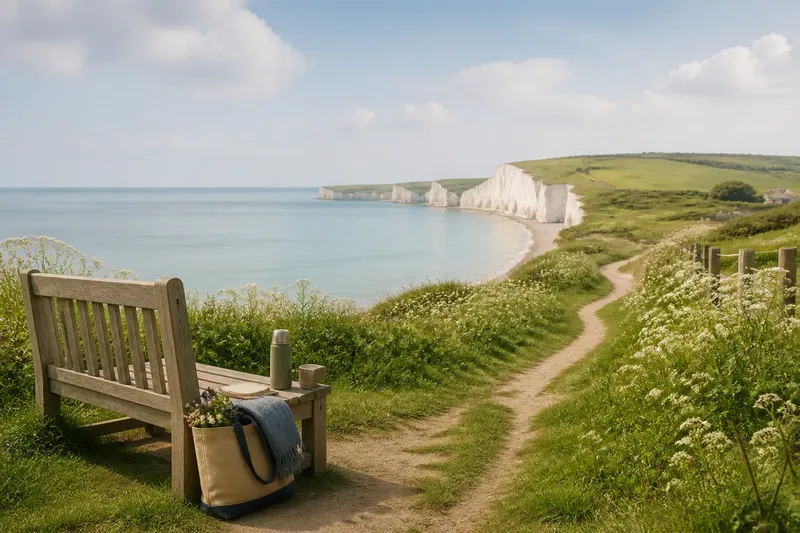
You have put the kettle on, opened a map of southern England and started saving places for Saturday. A garden, a gallery, a harbour walk and a good lunch all look tempting; before long, the day seems to need a timetable. A one-anchor day out begins with a simpler choice: decide what you most want the day to be about, then let the rest stay flexible.
The anchor is not a strict schedule or a claim that nothing else matters. It is the outing’s central purpose: seeing a particular exhibition, walking a stretch of coast, visiting a garden or spending time with someone in a place they have chosen. Once that purpose is clear, it becomes easier to judge which extras fit and which can wait for another day.
What does a one-anchor day out actually mean?
Think of the anchor as the reason you would still be pleased with the outing if the weather changed, lunch took longer than planned or an appealing side street led nowhere in particular. It should be specific enough to guide a few decisions, but not so demanding that every other part of the day has to serve it.
“Go somewhere near the sea” is a broad setting. “Spend time on the beach at West Wittering” gives the day a clearer centre. So does “see the current exhibition at Pallant House Gallery in Chichester”. The anchor need not be a paid attraction: a walk, a picnic or a visit with a friend can be just as meaningful.
That distinction matters because planning often expands by addition. A nearby church, a farm shop and a second viewpoint each sound reasonable in isolation. The anchor gives you a quiet test: does this extra support the day’s purpose, offer a pleasant change of pace, or simply make the plan busier?
Which approach suits the day you want?
There are three useful ways to shape an outing around an anchor. They are not competing rules; each suits a different mood, group and appetite for structure.
One fixed appointment
This approach suits a day built around something that happens at a particular time, such as a booked tour, a performance or a guided visit. Treat the appointment as the centre and keep the surrounding plan modest: perhaps a nearby café beforehand or a gentle walk afterwards.
The benefit is clarity. You know what the day is for and can decide how much travel or wandering to add without trying to turn the outing into a chain of timed commitments. It is a good choice when the main attraction has opening arrangements or when companions prefer to know the shape of the day in advance.
One place, explored slowly
Here the anchor is a destination rather than a particular activity: a garden, a beach or a town with enough character to reward an unhurried visit. This suits people who like to follow their attention, stop for a view or browse without needing another headline attraction.
A garden visit might naturally include a bench, a greenhouse and a cup of tea. A coastal outing could mean a short walk, time by the water and a pause to watch the tide. The centre holds the day together while the details remain open.
One shared purpose
For a mixed-age group or a day with friends, the anchor can be something everyone can take part in: a picnic beside a river, a walk to a particular viewpoint or a visit to a museum with something of interest to each person. This suits groups who want a common reason to meet but do not need to experience the day in precisely the same way.
It also makes room for different rhythms. One person may linger over an exhibit while another rests in the café, then the group can meet again around the shared purpose. Choose an anchor that welcomes those small differences rather than requiring everyone to move at the same pace.
How do you choose an anchor that leaves room?
Start with the quality you want from the day, not with a list of attractions. Ask yourself whether you want a change of scenery, a particular cultural experience, outdoor time or a reason to gather. Then name one activity or place that can carry that intention without needing several additions to feel worthwhile.
Next, consider the people coming along. A long walk may be a satisfying centre for one group and an unhelpful one for another. A visit to a gallery may suit a rainy forecast, while a beach day depends more heavily on conditions and access. These are not reasons to over-plan; they help you choose an anchor that fits the people and the day you have.
Finally, check the practical details that could alter the shape of the outing. Look at travel options, opening information, access arrangements and any booking requirements. Where instructions or local arrangements affect your plans, follow the relevant venue guidance. You do not need a minute-by-minute itinerary: a sound sense of how to reach the anchor and what it asks of the group is usually enough.
What should sit around the centre?
Give the anchor a little space on either side. A meal, a rest or a short, nearby diversion can make the outing feel complete without competing for attention. It helps to choose these as possibilities rather than obligations: if the day is going well, you can stay; if the group is ready to head home, you can leave without feeling that the plan has failed.
Say you choose a visit to a garden in Sussex as your centre. You might decide that lunch nearby is a useful option and keep the rest of the afternoon free, rather than adding a second attraction before you have arrived. If the garden holds your attention, you can take your time; if you finish earlier than expected, a nearby village stroll remains an available choice. The observable difference is a day with a clear reason to go and room to respond to how it unfolds.
It is not worth spending an evening researching every possible café, viewpoint and alternative route if you are unlikely to use them. A short note with the anchor, a meal idea and one flexible option is often more helpful than a crowded itinerary. Keep any necessary access or travel details, but let the rest be discovered in person.
How can you tell whether the plan is too tight?
A useful test is to imagine a pause taking longer than expected. If a leisurely lunch would force you to abandon the day’s main purpose, the plan may contain too many commitments. If a pause would merely shift an optional idea aside, the anchor is doing its job.
Notice the language you are using, too. “We have to get to…” repeated throughout the plan suggests that optional stops have become obligations. Reframe them as choices: “We could visit…” or “If we feel like it, we can walk on.” The point is not to remove all structure, but to distinguish the day’s reason from its possible extras.
For a group, agree on the anchor in plain terms before setting out. If someone needs a quieter pace or a place to sit, treat that as part of choosing a workable centre, not as a late adjustment. A day that suits the people present is more useful than a plan that looks impressive on a map.
Which details do people usually ask about?
Can a one-anchor day out include more than one stop?
Yes. The anchor is the main purpose, not a ban on other places. A meal or a short nearby visit can fit, provided it remains optional rather than turning the outing into a sequence of duties.
Does the anchor have to be an attraction?
No. It can be a walk, a picnic, a conversation with a friend or time spent in a particular landscape. Choose a purpose that feels meaningful to the people going, rather than one that sounds like a formal destination.
What if the weather changes?
Choose an anchor with the forecast in mind, and consider one simple alternative if weather would make the original uncomfortable. For an outdoor plan, that might mean switching to a nearby indoor visit or postponing the outing; it need not prompt a full replacement itinerary.
How do we choose the anchor when nobody agrees?
Ask each person to name what would make the day feel worthwhile, then look for a shared activity or place that accommodates those preferences. If there is no natural overlap, take turns choosing the centre on different outings rather than asking one day to satisfy every interest.
Why does one centre make a day easier to remember?
An outing does not need a packed schedule to feel full. Often, what stays with you is a particular stretch of path, a conversation over lunch or the time spent looking closely at one place. Giving the day a centre lets those moments belong to the same story without demanding that you collect more of them.
For your next one-anchor day out, choose the one purpose you would be glad to make time for, check the details that genuinely affect it, and leave the surrounding hours lightly held. The anchor should guide the day, not occupy every part of it.